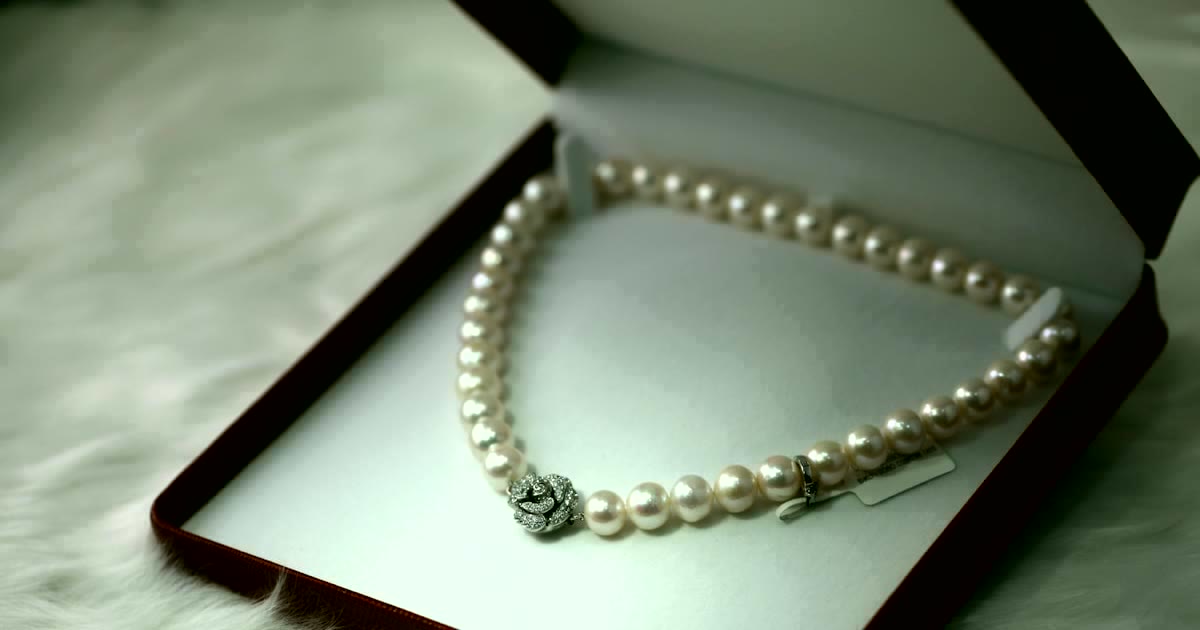
Why jewelry belongs in a wardrobe plan
Jewelry is often treated as the last detail, but for a mature wardrobe it can be one of the most efficient style investments. A clean white shirt, black knit dress or soft blazer changes immediately when paired with a sculptural hoop, pendant necklace or stackable ring. The outfit remains simple, yet the impression becomes more personal and finished.
The best pieces are not necessarily the most expensive. They are the pieces that repeat well, sit comfortably on the body and still look right with changing clothes. For readers building a refined spring and summer wardrobe, jewelry should be planned the same way as shoes and bags: by use case, metal tone, scale and maintenance.
The five-piece everyday jewelry capsule
Start with five roles rather than five trends: small hoops or studs, a pendant necklace, one bracelet, one statement ring and a watch or timepiece. This gives you enough range for work, weekend, travel and evening without creating a box full of pieces that compete with each other.
For warm weather, lighter pieces usually work better. A thin chain layered with a pendant sits cleanly against linen, silk and cotton. Small hoops keep hair-up summer outfits polished. A single sculptural ring can make a minimal dress feel intentional without adding heat or visual clutter.
How to choose metal tone and scale
Gold tones soften cream, camel, olive, chocolate and warm prints. Silver, white gold and steel feel crisp with black, grey, navy, white and cool denim. Mixed metals are fine when they repeat intentionally; for example, a silver watch, a gold ring and a bag with both hardware tones.
Scale matters as much as colour. Petite jewelry can disappear under textured clothing, while oversized pieces may overwhelm lightweight summer fabrics. Use the neckline as your guide: open collars can carry a pendant, crewnecks often work with shorter chains, and strapless or square necklines can hold a stronger earring.
Quality signals that matter
Look for smooth clasps, secure hinges, even plating or solid metal marks, comfortable backs and a finish that does not catch on clothing. If you are buying fine jewelry, check hallmarking and return policies. If you are buying fashion jewelry, prioritize comfort, hypoallergenic materials where possible and a finish that can handle repeat wear.
Avoid pieces that rely on obvious logos, fragile novelty shapes or seasonal colours unless they truly match your personal style. A good everyday piece should solve a recurring styling problem, not only look exciting for one event.
Care and storage
Store jewelry separately to reduce scratches and tangling. Keep pieces away from sunscreen, fragrance and chlorine, especially during summer travel. Wipe earrings, rings and chains with a soft cloth after wear; body oils and SPF build up faster in warm weather.
For broader market context on how consumers are thinking about value and durability, the annual fashion industry analysis from McKinsey and The Business of Fashion is a useful external reference.
Elite Fashion may earn a commission from qualifying purchases made through shopping links on this page. Links are chosen for editorial fit and practical relevance to the article topic.
Shop the Small Accessories Edit
These searches help compare scale, metal tone, storage, and the quiet details that change a simple outfit.
Shopping framework for lasting pieces
Before buying, ask whether the piece fits at least three outfits you already wear. A pendant should work with a white shirt, a knit dress and a summer tank. Hoops should suit hair up and hair down. A bracelet should not fight with your watch or laptop workday. This simple test keeps jewelry from becoming a collection of beautiful objects that rarely leave the drawer.
Also consider repairability. Can the chain be adjusted? Can the clasp be replaced? Does the brand or jeweller offer cleaning or resizing? Even modestly priced pieces become more valuable when they can be maintained. For fashion jewelry, check whether replacement stones, plating or earring backs are realistic; if not, treat the piece as seasonal rather than permanent.
What to avoid
Avoid buying an entire set unless you genuinely like wearing matching pieces together. Sets can look formal quickly and often reduce styling flexibility. Instead, let one item lead and choose quieter companions. A bold cuff may need only small studs. A pendant can pair with a plain ring. A watch may replace a bracelet entirely.
Be careful with pieces that are too trend-specific: oversized novelty charms, extreme colour enamel or shapes tied to a single micro-trend. They can be fun, but they should not consume the budget meant for everyday pieces. Keep trend purchases small, and reserve investment for the jewelry that supports your daily identity.
FAQ: everyday jewelry decisions
Should everyday jewelry be fine jewelry?
Not always. Fine jewelry is useful for pieces that touch the skin daily, such as earrings, chains and rings, especially if you are sensitive to plating. But a well-made fashion brooch, resin bangle or sculptural earring can still have style value if it is comfortable and repeatable. Spend most on the pieces you wear most.
How many pieces should be worn at once?
There is no fixed number. A clean guideline is one focal point near the face and one supporting detail elsewhere. For example, earrings plus a watch, pendant plus ring, or bracelet plus small studs. If every piece asks for attention, the outfit can feel busy. If every piece is too quiet, the look may feel unfinished.
Spring/Summer 2026 styling note
For spring and summer 2026, jewelry works best when it supports texture: linen, poplin, gauze, silk, ribbed cotton and lightweight tailoring. A small amount of shine can make relaxed fabrics look more deliberate. Try gold with warm linen, silver with crisp white, or pearls with denim and a relaxed shirt. The most modern effect is not perfection; it is ease with one precise detail.
Browse Category Hubs
Use these broader category hubs after the article-specific product options in Jewelry as Investment: Everyday Pieces That Keep Their Style Value. Narrow by room, material, size, care requirements, delivery options, and the storage space available at home.