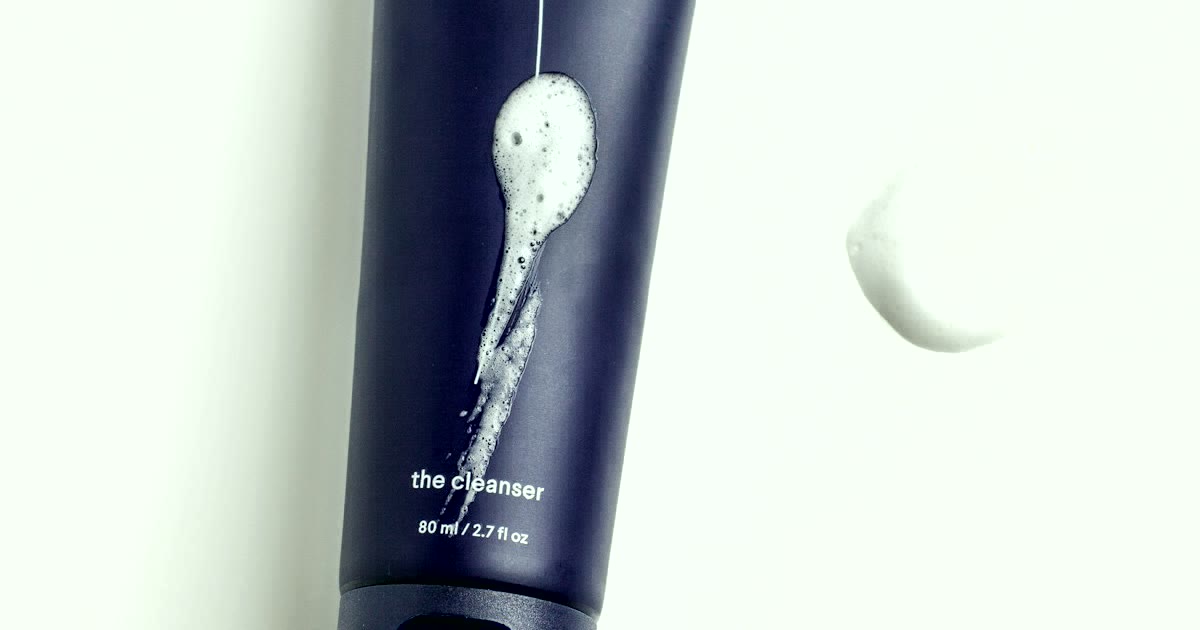
A refined beauty travel kit is not a miniature bathroom cabinet. It is a small, edited system for the moments when travel disrupts the usual shelf: cleansing at night, getting ready in a small mirror, refreshing hair before dinner, and keeping lips, tools, and small accessories easy to find.
This guide treats beauty travel as packing logic, not product-performance advice. It does not make skincare claims or promise results. The focus is on categories, routines, materials, storage, and the practical details that help a reader avoid overpacking.
Elite Fashion may earn a commission from qualifying purchases made through shopping links on this page. Links are chosen for editorial fit and practical relevance to the article topic.
Quick Answer
- Build the kit around routine steps: cleanse, prepare, touch up, refresh, and pack away.
- Choose travel pieces by size, closure, spill resistance, and whether they are easy to use in a small hotel or shared bathroom.
- Keep beauty claims conservative. Product pages should be checked for current ingredients, sizes, directions, and suitability.
- Carry fewer categories well instead of carrying many half-used items that make the pouch crowded.
Start With the Routine, Not the Product List
The cleanest travel beauty kit begins with the shape of the trip. A long weekend with dinner plans needs a different edit from a business overnight, a shared bathroom, a carry-on flight, or a train trip where the kit stays inside a personal item.
Write the routine as movements: remove or cleanse, keep hair presentable, apply only the tools actually used, keep lips comfortable, and store damp or used items without making the rest of the bag untidy. Once the movement is clear, the product categories become easier to judge.
The most common mistake is packing from anxiety rather than sequence. If the kit has three products for the same step and no clear place for used cotton rounds, brushes, or sponges, it will feel busy even if every product is small.
When a cleansing step belongs in the kit
A cleansing category belongs in most travel kits because it defines the end of the day. The category may be a micellar water, cleansing cloth, reusable round, cotton pad, or another format the reader already uses comfortably. The point is not to introduce a new routine in a hotel room. It is to make the existing routine easier to repeat away from home.
For any cleansing item, check the retailer page and packaging for current ingredients, directions, size, and suitability. Beauty products are personal; the guide can help with packing judgment, but the product page and the reader's own routine should decide whether a specific item belongs.
When lip care earns space
Lip care is small enough to seem automatic, but even small items should have a job. A lip balm or lip mask belongs when it is used at night, before walking outside, or before a polished arrival. If it stays buried in the pouch all trip, it is not part of the system.
Keep the format simple. A stick, tube, or small pot should close securely, be easy to find by touch, and not share loose space with brushes or powders. The most refined kit is usually the one that prevents small items from becoming a search problem.
When hair refresh matters
A hair-refresh category makes sense when the trip includes a second-day outfit, weather changes, dinner after transit, or a morning with no time for a full reset. Dry shampoo and hair tools should be treated as convenience categories, not as performance promises.
Size and packaging matter here. A full-size aerosol or bulky bottle may overpower a small kit. If the reader already knows a product works for their routine, the travel decision becomes about container size, closure, and whether it is acceptable for the route and luggage rules.
Build a Four-Part Beauty Travel Kit
A compact kit works best when each item has one defined role. The four-part structure is cleansing support, lip and comfort support, hair refresh, and small application tools. That is enough for most short trips without turning the pouch into a second bathroom shelf.
Use this table as a category map rather than a product prescription. It is especially important with beauty items because preferences, sensitivities, textures, scents, and packaging needs vary. The useful question is what job the item performs in the travel routine.
| Kit category | Best use | Skip if |
|---|---|---|
| Micellar Cleansing Water | Evening reset, light cleansing support, and removing the feeling of travel from the day. | You already have a preferred cleanser decanted safely or the trip is too short to need a separate bottle. |
| Lip Balm | Transit, bedside, coat-pocket, or dinner-bag comfort without adding a large product. | You keep several similar lip products in every bag and cannot find the one you actually use. |
| Dry Shampoo | Second-day hair, post-transit refresh, or a quick morning routine when time is limited. | The route, luggage rules, or personal routine makes the format inconvenient. |
| Makeup Brushes Set | Small application kit when the reader already uses powders, creams, or complexion products. | The kit includes only lip, hair, and cleansing items, or a single sponge is enough. |
Decision Criteria That Matter
Beauty travel items are often judged by brand familiarity, but the travel test is more practical: closure, size, residue, material, and whether the item can be used in a small or shared space without spreading across the counter.
Before buying, check current product pages for ingredients, directions, size, packaging, return policy, and any travel restrictions that may apply to the route. This is especially important for liquids, aerosols, and items used near skin, lips, eyes, or hair.
Closure and spill risk
A travel kit should survive being turned sideways. Tight caps, secure lids, pouches with wipeable interiors, and items that can be separated from fabric are more important than a pretty flat lay. If an item might leak, it needs a secondary bag or it should stay home.
Countertop behavior
Hotel bathrooms, shared bathrooms, and compact apartment sinks rarely offer generous space. Items that stand, stack, or return to a pouch quickly are easier to live with than products that spread across the counter. A refined kit keeps the surface readable.
Tool hygiene and drying
Brushes, sponges, cotton rounds, and headbands need a practical drying and storage plan. Do not let damp tools sit loosely against clean products. The kit should separate used and unused items, especially on multi-stop trips.
Routine familiarity
Travel is not the best moment to test a complicated new beauty routine. The safest editorial advice is to pack categories the reader already understands, then check current product information before buying. Familiar use matters more than novelty.
Shop the Edit
Three Practical Travel Kit Setups
The best beauty kit is not universal. It changes with the social shape of the trip, the number of bathrooms used, and how much time the reader wants to spend getting ready.
Long weekend with dinner plans
Use cleansing support, lip care, a small brush set, and one hair-refresh item. Add only the tools needed for the actual makeup or grooming routine. If the dinner look needs more than the morning routine, separate those items into a small evening pouch.
This setup works when the reader wants to feel composed after travel without carrying a full vanity. It is less useful if the trip is mostly outdoor, poolside, or low-maintenance.
Shared bathroom or small hotel room
Use a wipeable pouch, a headband or hair clip if already part of the routine, and a separate space for used rounds or damp tools. Keep the counter clear by pulling out only the step being used.
This setup is about courtesy and speed. The kit should open cleanly, close quickly, and avoid spreading brushes, caps, and small items across a shared sink.
Carry-on personal item
Use the smallest routine that still feels complete: one cleansing support, one lip item, one hair-refresh item if needed, and one application tool format. Check liquid and aerosol requirements for the trip before packing.
This setup works best when beauty shares space with laptop, documents, wallet, and accessories. The beauty pouch should protect the rest of the bag from leaks, powder, and damp tools.
Small Tools That Earn Their Place
Small tools can make a kit feel polished or crowded. The difference is whether each tool solves a repeated movement: removing, blending, holding hair back, drying, or keeping products separated.
A reusable round, sponge, brush cleaner, or headband should not enter the pouch because it looks tidy in a photograph. It should enter because the reader can name when it will be used and where it will go afterward.
| Small tool | Useful role | Restraint test |
|---|---|---|
| Reusable Cotton Rounds | Cleansing support for readers who already use washable tools at home. | Use only if there is a plan for drying and separating used rounds. |
| Makeup Sponges | Application or touch-up texture when cream or base products travel. | Skip if the kit has no product that needs a sponge, or if drying space is limited. |
FAQ
What should be in a refined beauty travel kit?
Start with the routine steps: cleansing support, lip care, hair refresh if needed, and one small tool category. Add only products that are already familiar and useful in the reader's actual travel rhythm.
How do I avoid overpacking beauty products?
Pack by function rather than product type. If two items solve the same step, choose the one that is easier to close, clean, and use in a small space. Leave the backup at home unless the trip is long enough to justify it.
Should I buy travel sizes or decant products?
Either can work, depending on product format, route, and container quality. Check retailer and packaging details, then choose the option that closes securely and fits the trip's luggage requirements.
Can this kit replace a full skincare routine?
No. This guide is a packing and organization guide, not a care protocol. Use the products and steps that already suit the reader's normal routine, and check current product information before buying.
How should brushes and sponges travel?
Brushes and sponges should be protected from loose dirt and separated from damp or used items. If there is no drying or storage plan, fewer tools will usually travel better.
Before You Buy
Use the links on this page as shopping starting points, then check current ingredients, directions, packaging, dimensions, travel suitability, return policy, and availability on the retailer page.
The strongest beauty travel kit is the one that repeats calmly: it closes securely, keeps used tools separate, supports the routine the reader already knows, and leaves enough space for the rest of the trip.