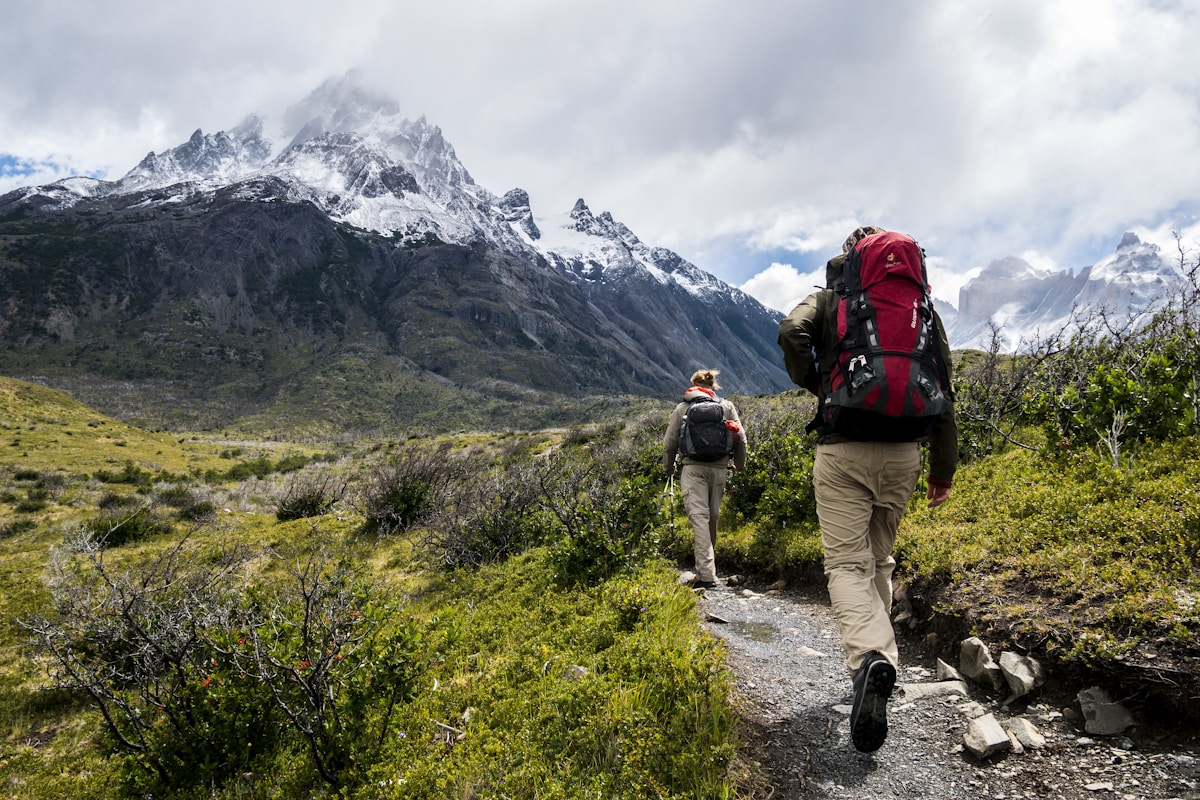
Outdoor photography turns nature's beauty into visual art. Whether sweeping mountain views, quiet lakes, or subtle details, nature provides endless inspiration. To capture these moments well, you need both technique and an understanding of light, composition, and aesthetics. This guide explores the art and craft of outdoor photography.
Golden Hour: The Magic of Light
Light is the soul of photography, especially outdoors. Understanding how light changes through the day helps you capture the best images.
Sunrise and Sunset
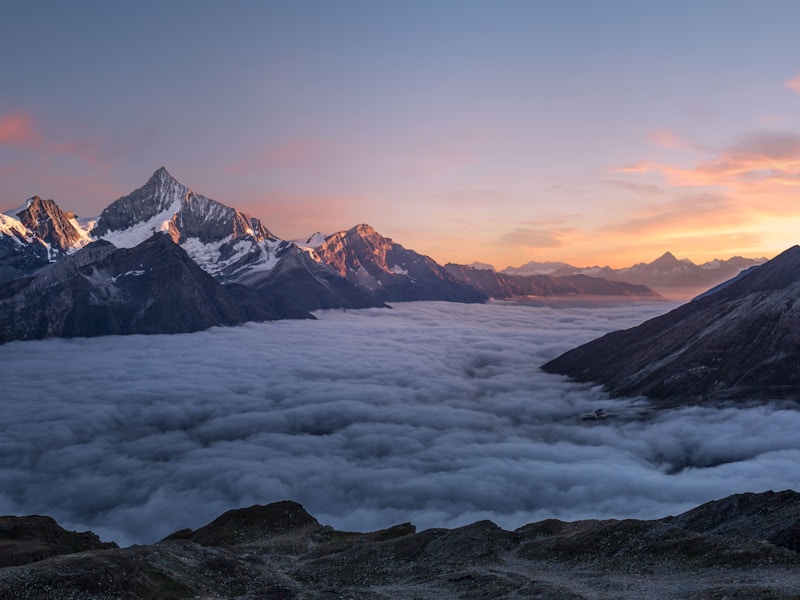
Sunrise and sunset are the "golden hours"—soft, warm light with rich colour. This is prime time for outdoor photography:
- Sunrise: Fresh air, pure light—ideal for mountains and lakes
- Sunset: Rich colour and dramatic clouds—ideal for coasts and skies
- Preparation: Arrive early, set up, and wait for the best light
Blue Hour
Just before sunrise and after sunset the sky turns deep blue—the "blue hour". The light is even and soft, great for cityscapes and natural contrasts.
Midday Light
Strong midday sun is challenging but can work with the right approach:
- Find shade: Use trees, rocks, or other elements for softer light
- Backlight: Use strong light for silhouettes
- Details: Bright light is good for textures and close-ups
Composition Techniques
Rule of Thirds
Divide the frame into nine equal parts. Placing your subject at an intersection creates a balanced, engaging composition.
Leading Lines

Use natural lines—roads, rivers, ridges—to guide the viewer's eye into the frame, adding depth and movement.
Foreground, Midground, Background
Create layers to add depth:
- Foreground: Elements near the lens to add depth
- Midground: Where the main subject sits—usually the focal point
- Background: Distant view for context and atmosphere
Symmetry and Balance
Use natural symmetry—reflections, paired peaks—to create harmony.
Subjects and Techniques
Mountains
- Timing: Sunrise and sunset give ideal light
- Wide angle: Capture sweeping panoramas
- Wait for clouds: Mist and cloud seas add drama
- Foreground: Use rocks or trees to anchor the scene
Water

- Slow shutter: Tripod + ND filter for flowing effect
- Reflections: Calm water for mirror images
- Polariser: Cut glare and boost colour
Stars
- Gear: Fast lens (f/2.8 or wider), sturdy tripod, remote shutter, high-ISO camera
- Technique: Dark-sky location, manual focus on stars, correct exposure to avoid star trails, post-processing for detail
Gear
Camera
- Full-frame: Better image quality and low-light performance
- Weather-sealed: Handles outdoor conditions
- Battery life: Important for long shoots
- High ISO: Good low-light capability
Lenses
- Wide angle (14–24 mm): Landscapes and astrophotography
- Standard zoom (24–70 mm): Versatile for many scenes
- Telephoto (70–200 mm): Distant subjects and details
- Macro: Close-ups of plants and insects
Accessories
- Tripod: Stability for long exposures
- Filters: ND, polariser, graduated ND
- Remote shutter: Reduces camera shake
- Spare batteries and cards: Don't miss a shot
- Cleaning kit: Keep lens and sensor clean
Post-Processing
Basic Adjustments
- Exposure: Ensure correct brightness
- Contrast: Add depth to the image
- Saturation: Enhance—but don't overdo—colour
- White balance: Correct colour temperature
Advanced Techniques
- HDR: Blend exposures for dynamic range
- Stacking: Reduce noise in astrophotography
- Local adjustments: Masks for targeted edits
- Colour grading: Create a signature look
Outdoor photography is a way to see, appreciate, and share the wonders of nature. Every click of the shutter captures a fleeting moment of beauty.