
Building the body you want is not a quick fix—it’s a long-term journey that benefits from science, consistency, and good guidance. This plan combines current exercise science with practical experience into a clear, safe, and effective 12-week programme. Whether you’re new to training or looking to break through a plateau, you can adapt it to your level and goals.
Core Principles of the Plan
A successful fitness plan rests on sound principles. Ours are:
- Progressive overload: Gradually increase intensity so the body keeps adapting
- Variety: Mix modalities to improve overall fitness
- Recovery: Schedule rest so the body can repair and grow
- Personalisation: Adjust volume and intensity to your level and goals
12-Week Structure

Phase 1: Foundation (Weeks 1–4)
Focus on learning movement patterns and building a base. Train 3–4 times per week, 45–60 minutes per session.
- Strength: Master basics (squat, deadlift, press, row)
- Cardio: Moderate-intensity cardio to build aerobic base
- Functional: Core stability and balance work
Phase 2: Intensity (Weeks 5–8)
After the foundation is set, increase load and complexity. Train 4–5 times per week, 60–75 minutes per session.
- Strength: Heavier loads and more advanced variations
- Cardio: Add high-intensity intervals (HIIT)
- Functional: More complex movements and coordination
Phase 3: Goals (Weeks 9–12)
Final phase targets your specific goal—muscle gain, fat loss, or performance. Train 5–6 times per week, 75–90 minutes per session.
- Strength: Target priority muscle groups
- Cardio: Adjust ratio to match your goal
- Functional: Integrated movements for overall capacity
Training Components
Strength Training
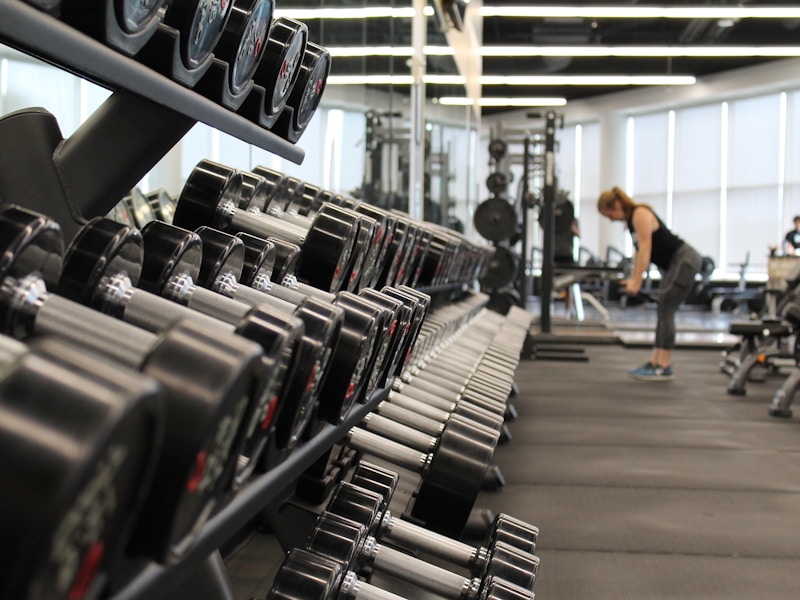
Strength work builds muscle and supports metabolism. The plan includes:
- Compound lifts: Squats, deadlifts, presses, rows for maximum efficiency
- Isolation: Single-joint work for specific muscles
- Frequency: Hit each muscle group 2–3 times per week for stimulus and recovery
Cardio
Cardio supports heart health and fat loss. We recommend:
- Steady-state: 2–3 sessions per week, 30–45 minutes
- HIIT: 1–2 sessions per week, 20–30 minutes
- Low-intensity: For active recovery and circulation
Functional Training
Functional work mirrors real-life movement and helps prevent injury:
- Core: Planks, dead bugs, and similar exercises
- Balance: Single-leg work, Bosu or unstable surfaces
- Integration: Turkish get-ups, farmer’s walks, and other full-body patterns
Nutrition and Recovery
Training is only half the picture; nutrition and recovery matter just as much:
- Protein: 1.6–2.2 g per kg bodyweight to support repair
- Carbs: Enough around training for energy and recovery
- Sleep: 7–9 hours per night for full recovery
- Hydration: At least 2–3 litres of water per day
Injury Prevention
Safety comes first. These habits lower injury risk:
- Warm-up: 10–15 minutes of dynamic movement before each session
- Technique: Prioritise form before adding load
- Progress slowly: Increase weight by no more than 5–10% per week
- Listen to your body: Stop if you feel pain or unusual discomfort
Tracking and Adjusting
Tracking progress helps you see what’s working and when to adjust:
- Weight and body composition: Measure at the same time each week
- Training log: Record sets, reps, and weights
- How you feel: Note energy, sleep, and recovery
- Photos: Monthly progress photos for visual feedback
Fitness is a marathon, not a sprint. Consistency and patience beat quick fixes. Give yourself time, trust the process, and results will follow.