
Home fitness has become a core part of modern life. Whether you’re short on time, value privacy, or simply like the convenience of exercising at home, a dedicated space makes it easier to stick to a routine. This guide helps you set up a practical, motivating home fitness environment from scratch.
Space and Layout
Choosing the Right Spot
You don’t need a full room. A 2–3 m² area is enough for most workouts:
- Living room corner: Roll out a mat when you train
- Bedroom: Space by the bed for morning yoga or stretching
- Balcony: If you have one, it can double as a workout zone
- Study: Quick sessions between work
Environment
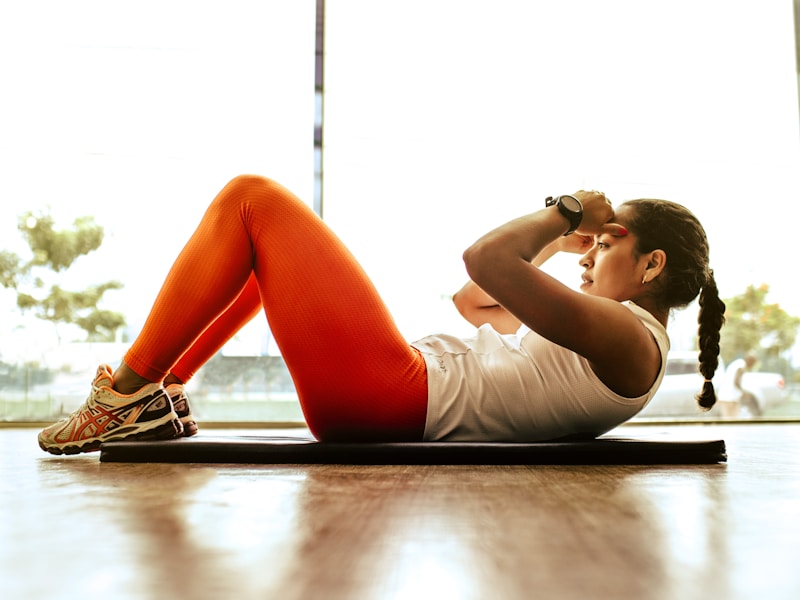
A good environment improves motivation and results:
- Light: Use a bright area or add suitable lighting
- Ventilation: Keep air flowing for comfort
- Mirror: A mirror helps you check form
- Sound: Speakers or a Bluetooth speaker for music
Essential Basics
1. Yoga Mat
A mat is the foundation of home fitness—for yoga and floor work alike:
- Thickness: 5–10 mm for cushioning
- Material: TPE or natural rubber for grip and durability
- Size: Standard (183 cm × 68 cm) suits most people
2. Resistance Bands

Resistance bands offer great value:
- Versatility: Full-body options
- Portable: Easy to store and travel with
- Progression: Buy a set with different resistances
3. Dumbbells or Kettlebells
If space and budget allow, adjustable dumbbells or a kettlebell expand options:
- Adjustable dumbbells: Save space; change weight as needed
- Fixed weights: 2–3 pairs for different exercises
- Kettlebell: Great for functional and full-body work
4. Swiss Ball
A stability ball adds challenge and variety:
- Core: Improves stability and balance
- Stretching: Use for mobility and release
- Seating: Sit on it while working to support posture
Next-Level Gear
Suspension Trainer (TRX)
A suspension system only needs one anchor point for full-body training:
- Setup: Mount on a door or wall
- Level: Suitable from beginner to advanced
- Storage: Easy to put away when not in use
Jump Rope

Jump rope is an efficient cardio tool:
- Space: Only needs enough ceiling height
- Efficiency: 10 minutes can match ~30 minutes of jogging
- Skill: Start with basic jumps, then add variations
Foam Roller
A foam roller supports recovery:
- Use: Release tension and improve mobility
- When: After training or before bed, 10–15 minutes
- Choice: Softer for beginners; firmer for advanced users
Designing Your Home Plan
Starter Plan (3–4 sessions per week)
For beginners:
- Warm-up: 5 minutes dynamic stretching
- Main: 20–30 minutes full-body work
- Cool-down: 10 minutes static stretching
Advanced Plan (5–6 sessions per week)
For experienced exercisers:
- Split: Train different muscle groups on different days
- HIIT: Add intervals for cardio
- Functional: Include movements that mirror daily life
Staying Motivated
Building a lasting home fitness habit takes motivation:
- Set goals: Clear short- and long-term targets
- Track progress: Log workouts and how you feel
- Vary training: Change exercises to keep it fresh
- Find a buddy: Train with a friend or family member
- Reward yourself: Celebrate milestones in a healthy way
The best gym is the one you actually use. Create a space that feels comfortable and motivating, and exercise becomes part of your life.