Why Morning Yoga?
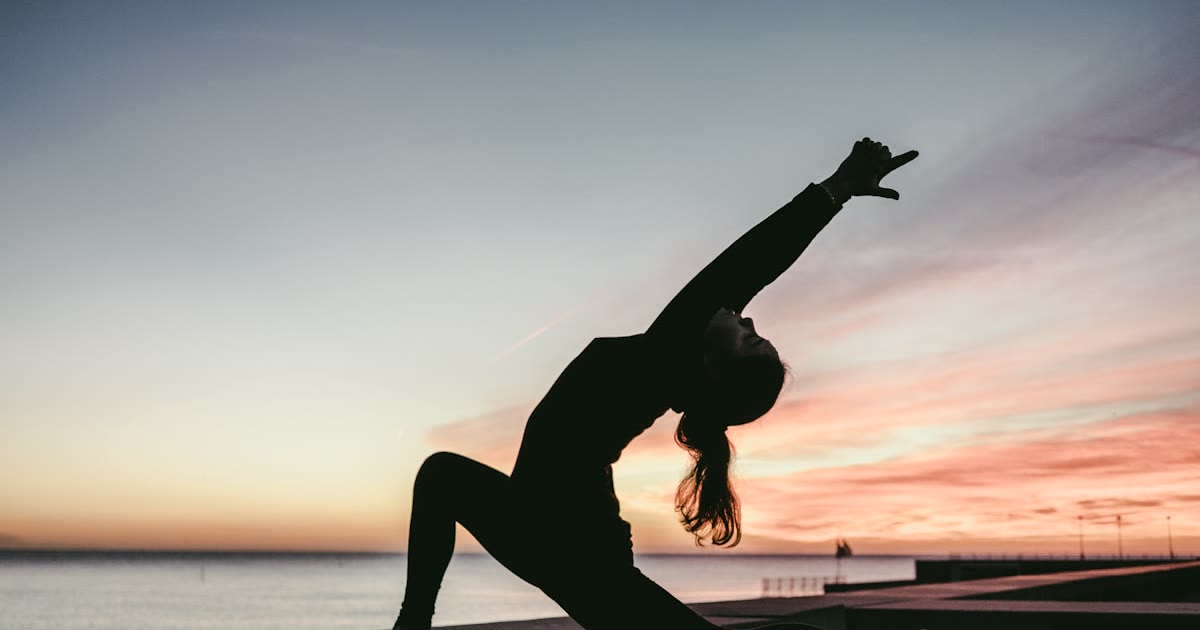
Morning yoga is both a physical practice and a mental reset. At the start of the day, 20 minutes can prepare body and mind—boosting energy and building calm and focus.
Benefits of Morning Yoga
- Energy: Gentle movement boosts circulation and alertness
- Flexibility: Stretching eases morning stiffness
- Focus: Breath and meditation sharpen mental clarity
- Stress: Mindfulness helps manage daily pressure
- Routine: A morning ritual sets a steady rhythm for the day
Preparation
Set yourself up for an effective practice:
Space
- Choose a quiet, well-ventilated spot
- Use a mat on a flat surface
- Comfortable room temperature
- Silence or mute your phone
Body
- Drink a glass of warm water after waking
- Wear comfortable, stretchy clothes
- A small piece of fruit if hungry; avoid a full stomach
Make the Sequence Fit Your Body
A morning practice should feel steady, not punishing. If your lower back feels tight, keep knees bent in forward folds and spend more time in Cat-Cow before moving into Downward Dog. If wrists are sensitive, place hands on blocks, reduce the number of Chaturanga transitions or use forearms for part of the sequence. If balance feels difficult, practise Tree Pose near a wall.
Stop any movement that causes sharp pain, dizziness or numbness. People who are pregnant, recovering from injury or managing a medical condition should use professional guidance before changing their practice. The best routine is the one you can repeat safely and calmly.
20-Minute Morning Yoga Sequence
Phase 1: Wake the Body (5 min)
1. Child’s Pose (Balasana) Kneel, knees apart hip-width, big toes touching. Fold forward, forehead to floor, arms extended. Hold 5–8 breaths.
2. Cat–Cow (Marjaryasana–Bitilasana) Tabletop, wrists under shoulders, knees under hips. Inhale arch (cow), exhale round (cat). Repeat 5–8 times.
3. Downward Dog (Adho Mukha Svanasana) From tabletop, press hands down, lift hips into an inverted V. Hold 5–8 breaths.
Phase 2: Sun Salutation A (8 min)
Sun Salutation is the heart of morning yoga—it wakes the whole body.
Sun Salutation A (Surya Namaskar A)
- Mountain (Tadasana)
- Upward Salute (Urdhva Hastasana)
- Standing Forward Fold (Uttanasana)
- Halfway Lift (Ardha Uttanasana)
- Four-Limbed Staff (Chaturanga Dandasana)
- Upward-Facing Dog (Urdhva Mukha Svanasana)
- Downward Dog (Adho Mukha Svanasana)
- Halfway Lift → Forward Fold → Upward Salute → Mountain
Repeat 3–5 rounds, ~2 min per round
Phase 3: Strength (5 min)
Warrior I (Virabhadrasana I) From Down Dog, step right foot forward, back leg extended. Arms up, 5 breaths, then switch sides.
Triangle (Trikonasana) Feet wide, right foot out, left slightly in. Right hand to floor or shin, left arm up. 5 breaths, switch sides.
Tree (Vrksasana) Stand on one leg, other foot on inner thigh. Hands at heart. 5 breaths, switch sides.
Phase 4: Relaxation & Meditation (2 min)
Savasana Lie on your back, feet apart, arms by your sides, palms up. Close eyes and focus on the breath.
Mindful breathing In Savasana, 5–10 minutes of mindful breath—notice each inhale and exhale and let the mind settle.
Elite Fashion may earn a commission from qualifying purchases made through shopping links on this page. Links are chosen for editorial fit and practical relevance to the article topic.
Shop the Home Studio Edit
These references keep the focus on texture, footprint, storage, and everyday movement rather than performance promises.
Breath Work
Breath is the foundation of yoga, especially in the morning:
Belly breathing: Hand on belly; inhale belly out, exhale belly in. Activates the parasympathetic nervous system and calms the mind.
Ujjayi (Victory Breath): Slight constriction at the back of the throat for a soft “ocean” sound. Builds focus and inner strength.
4-4-4-4 breath: Inhale 4 sec, hold 4, exhale 4, hold 4. Balances the nervous system and sharpens focus.
Common Questions
Q: I’m too stiff in the morning.
A: Normal. Start with the gentlest poses and let the body warm up. Don’t force difficult poses.
Q: I don’t have time for the full sequence.
A: Even 5 minutes helps. Pick 3–5 basic poses; consistency matters more than length.
Q: I can’t do some poses.
A: Use blocks or straps, or choose alternatives. Yoga is personal—find what works for you.
Building a Morning Yoga Habit
Week 1: 5–10 min simple stretches; focus on practising right after waking. Week 2: 10–15 min; add Sun Salutations and breath work. Week 3: Full 20-min sequence; add meditation. Week 4: Adjust the sequence to your needs; explore different breaths; enjoy the calm.
Keep the Habit Simple
Consistency improves when the routine has less friction. Leave your mat unrolled or visible, choose clothing the night before and keep the first pose easy enough that you can begin even when motivation is low. On rushed mornings, do three rounds of Cat-Cow, one Downward Dog, one gentle forward fold and one minute of breathing. A shorter practice still reinforces the habit.
Pair the routine with a cue you already have: after brushing your teeth, after opening the curtains or before your first coffee. This makes yoga part of the morning rhythm instead of another task to remember.
Morning Yoga Checklist
✓ Prep
- Mat ready
- Comfortable clothes
- Warm water
- Phone off
- Set an intention
✓ Practice
- Gentle wake-up
- Sun Salutations
- Strength poses
- Savasana
- Mindful breath
Summary: Start the Day Well
Morning yoga is both a physical practice and a mental reset. Twenty minutes can set a foundation of calm, focus and strength for the day. Remember: yoga isn’t about perfect poses—it’s about connecting with yourself. Give yourself this gift each day and let morning yoga become a cherished ritual.