
We often focus on heart health and bone density but overlook a crucial marker: muscle mass. Sarcopenia is the gradual loss of muscle mass, strength and function with age. It isn’t only an older-adult issue—it starts in our 30s. Understanding the threat and building muscle now is one of the best investments in future health. This guide combines research data, Canadian context, and practical advice from fitness communities to help you take action today.
Sarcopenia: What the Data Shows
How Fast Muscle Is Lost
Research consistently shows that from age 30, muscle mass drops by about 1–2% per year. The rate accelerates after 50; by age 70, many people have lost 30–40% of their muscle mass. Harvard Medical School notes that most people lose approximately 3–5% of muscle mass per decade after 30, with losses accelerating around 60. After 80, between 11–50% of people meet the criteria for sarcopenia.
Sedentary life, lack of exercise and poor nutrition speed this up. Many people in their 30s and 40s already have muscle mass below healthy norms for their age. The loss is hard to reverse, but exercise can slow and help prevent it.
Canadian Context: A Growing Concern
Statistics Canada’s Canadian Health Measures Survey (CHMS) provides the only nationally representative data on bone health and muscle function in Canada. According to their 2016–2019 report, bone mass tends to decrease by about 0.5% or more per year after age 40, and by age 80, many people have lost nearly 50% of their muscle mass. This age-related decline leads to chronic conditions including sarcopenia, dynapenia (loss of strength and power), and osteoporosis.
Falls among Canadians 65 and over rose from 865,484 in 2008–2009 to 1,081,400 in 2018–2019—a 25% increase. The majority (56.8%) of falls were reported by women. Osteoporosis Canada states that at least one in three women with osteoporosis will suffer an osteoporotic fracture during their lifetime, compared to one in five men. People with reduced muscular strength had significantly higher odds of impaired mobility, poor self-rated health, moderate-to-severe disability, and increased fall risk.
The Economic and Health Burden
The Public Health Agency of Canada reported that 2.2 million (11.9%) Canadians aged 40 or older were diagnosed with osteoporosis in 2015–2016, up from 1.5 million (10%) in 2009. About 80% were women. The cost of falls, fractures, and related healthcare places a growing burden on provincial health systems, especially in Ontario and BC where senior populations are concentrated.
According to Statistics Canada’s Trends in Physical Fitness report (2007–2017), Canadian adults showed declining cardiorespiratory fitness—from 39.5 to 36.7 mL•kg⁻¹•min⁻¹ in men and 34.0 to 32.2 in women—along with declining flexibility among men. Meeting current physical activity recommendations was associated with better fitness overall. This trend underscores the importance of early intervention: building muscle and fitness in your 30s and 40s helps offset later decline.
| Age | Muscle Loss Rate | Cumulative Impact |
|---|---|---|
| 30+ | 1–2%/year | Loss begins |
| 50+ | 3–5%/year | Accelerates |
| 70 | — | 30–40% lost |
| 80 | — | ~50% lost (many) |
"Muscle mass and bone structure follow a rising path from birth to around age 40, then decline. The Canadian Health Measures Survey confirms this negative effect of aging on muscle strength in the Canadian population." — Statistics Canada Health Report
Consequences of Sarcopenia
Higher Fall Risk
Weaker muscles mean worse balance and more falls. People with sarcopenia have 3–4 times the fall risk; falls are a leading cause of disability in older adults. In Canada, the rise in falls among seniors over the past decade highlights the urgency of muscle-preserving interventions. CHMS data shows that reduced muscular strength is strongly linked to higher odds of falls and fractures.
Slower Metabolism
Muscle is the body’s largest metabolic tissue. Less muscle lowers metabolic rate, makes fat gain easier and raises the risk of obesity, diabetes and heart disease. This creates a vicious cycle: inactivity leads to muscle loss, which leads to easier weight gain and further inactivity.
Lower Quality of Life
Sarcopenia affects daily function—carrying groceries, climbing stairs, getting up from a chair—and mental and emotional wellbeing. Independence declines, and social participation often drops. Fitness communities frequently emphasise that preserving strength is about quality of life as much as longevity.
Weaker Immunity
Muscle tissue supports the immune system. Less muscle can mean more infections and slower recovery. Adequate muscle mass also helps regulate inflammation, which is linked to many age-related diseases. Research published in journals such as Calcified Tissue International has shown that muscle force is strongly correlated with bone strength—reinforcing the link between muscle and bone health and the need to preserve both through resistance training.
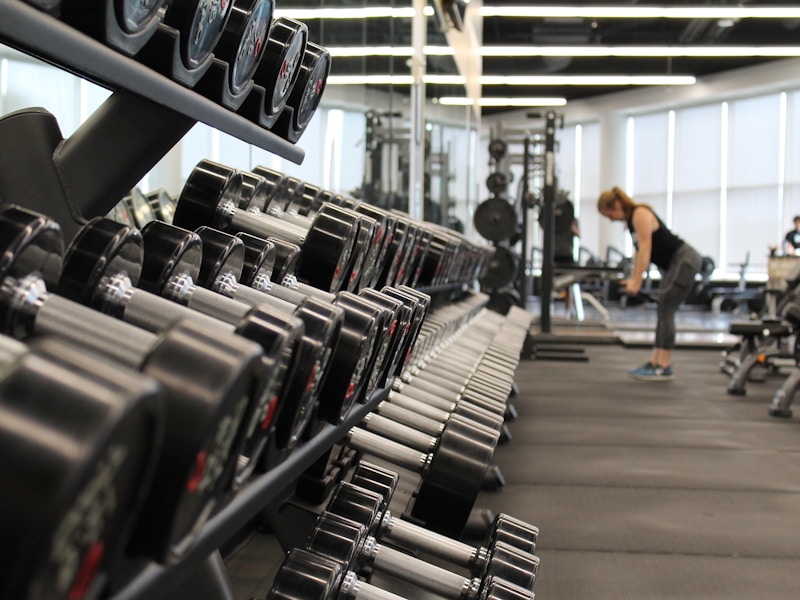
"It's never too late. In just 16 weeks, adults over 50 can gain significant muscle and strength—one study showed men averaging 60 gained 2 kg of fat-free mass while losing 2 kg of fat." — Strength training research consensus
Why Start Now? Science and Community Perspective
Muscle Is the Currency of Healthy Ageing
Enough muscle helps you stay independent, protect bones, support metabolism, and maintain immunity and mood. The U.S. Department of Health and Human Services recommends at least twice-weekly strength training for all adults. The same principle applies in Canada: our public health guidelines emphasise regular physical activity for healthy ageing.
The Best Time to Build Muscle
Your 30s–50s are the prime window. Building muscle then raises your baseline so you stay in a healthy range even with some loss, builds a lasting habit, reduces future health problems, and improves quality of life and mobility. Older adults lose fast-twitch muscle fibres faster than slow-twitch; targeting these through strength training is crucial for explosive movements like rising from a chair.
What Fitness Communities Are Saying
Fitness forums and communities such as r/fitness, r/xxfitness, and Canadian wellness groups routinely share experiences of adults over 50 who have rebuilt strength. Common themes: it’s never too late; consistency matters more than intensity; bodyweight and resistance bands are enough to start; and results often surprise people within months. Many emphasise that the biggest barrier is starting—not age or prior fitness level. Community support and accountability (training with a partner, joining a class) are repeatedly cited as key to sustaining habits.
Discussions in r/PersonalFinanceCanada and Canadian fitness communities also touch on cost: many note that a basic home setup (mat, resistance bands, maybe a few dumbbells) costs less than a year of gym membership, and that free resources—YouTube tutorials, community centre classes—make strength training accessible regardless of budget. For seniors on fixed incomes, municipal programmes in Ontario and BC often offer reduced or free access.
Expert Consensus on Resistance Training
The scientific consensus is clear: resistance exercise combined with adequate protein is the primary approach to prevent and slow sarcopenia. Train 2–3 days per week, about 10 sets per muscle group weekly with 8–15 reps per set. Start with bodyweight, then progress to light dumbbells or resistance bands. Aim for high protein intake—1.2–1.6 g per kg body weight—as older muscle has slower protein synthesis. Creatine, omega-3s, and vitamin D may also support muscle preservation.
| Factor | Recommendation |
|---|---|
| Frequency | 2–3× per week strength training |
| Volume | ~10 sets per muscle group/week, 8–15 reps |
| Protein | 1.2–1.6 g per kg body weight |
| Start point | Bodyweight first, then light weights or bands |
Simple At-Home Cardio and Strength to Build Muscle
You don’t need a gym or fancy gear. These at-home options help you build a habit and build muscle. In Canada, where winter limits outdoor activity for months, having indoor options is essential—especially in Ontario and BC where cold, rain, and snow can reduce outdoor exercise for half the year.
Slow Jogging
Slow jogging is low-intensity, longer-duration cardio—ideal for beginners. Features: low intensity (about 4–6 km/h, able to talk); low impact; effective for fat burn and cardio when done 30+ min. Tips: upright posture, relaxed shoulders; ~180 steps/min; natural breath; start 10–15 min, build to 30–60 min; 3–5 times per week. In winter, use a treadmill at home or a local community centre—many Ontario and BC municipalities offer affordable fitness access.
Jumping Jacks and Marching in Place
Jumping jacks raise heart rate and work the whole body. Do 30 sec–1 min, rest 30 sec, repeat 3–5 sets. Marching in place is the easiest option: march with knees up to hip height for 10–20 min. Both require no equipment and can be done in a small space.
Squats and High Knees
Squats build leg strength and glutes. Feet shoulder-width, sit back and down until thighs are parallel to the floor. 10–15 reps, rest 30 sec, 3–5 sets. High knees: drive knees up quickly in place, 30 sec–1 min per set. These compound movements are especially valuable for countering sarcopenia.
Canadian Winter Alternatives: Indoor Options
In Vancouver, Toronto, Montreal, and other Canadian cities, community centres and YMCAs offer low-cost fitness classes and gym access. Many Ontario and BC residents use indoor walking tracks, swimming pools, and senior-specific strength programmes. Home options—squats, resistance bands, bodyweight circuits—work year-round. Fitness communities in r/vancouver and r/askTO often share local resources for affordable winter exercise.
Mountain Climbers, Burpees, Jump Rope
Mountain climbers: from plank, drive knees toward chest alternately. 20–30 sec per set. Burpees: squat → jump back to plank → push-up → jump forward → jump up. 5–10 reps, simplify by skipping jump or push-up if needed. Jump rope: 10 min can match ~30 min jogging. 1–2 min per set, rest 30 sec, 5–10 sets.

"Adults lose 1–2% of muscle mass annually after 50, accelerating after 60. Strength training combats sarcopenia, preserves independence, strengthens bones, and reduces fall risk." — Research consensus
Nutrition: Support Your Training
Protein Requirements
To build muscle effectively, aim for 1.2–1.6 g protein per kg body weight for repair and growth. Older adults need more protein per meal than younger people because of anabolic resistance—the body’s reduced ability to use protein for muscle building. Spread intake across meals: 25–30 g per meal is a practical target.
Canadian Dietary Guidelines and Practical Tips
Canada’s Food Guide emphasises a variety of protein sources: legumes, nuts, fish, poultry, eggs, dairy. For muscle support, lean meats, Greek yogurt, eggs, and plant-based options like tofu and lentils are practical choices. Carbs fuel workouts; vitamins and minerals support metabolism. Protein + carbs within 30–60 min after exercise aids recovery. Hydration matters for metabolism and muscle function—especially in dry Canadian winters when indoor heating increases fluid loss.
Vitamin D is particularly relevant in Canada, where limited sun exposure in winter months affects synthesis. Health Canada recommends supplementation for many adults, especially those 50+. Adequate vitamin D supports bone health, muscle function, and immune response—all relevant for sarcopenia prevention. Consult a healthcare provider for personalised recommendations.
Building a Habit: Practical Tips
Start Small and Progress Gradually
Start with 10–15 min a day, 1–2 simple moves, then add over time. Combine moves: e.g. 5 min slow jog + 3 sets squats + 3 sets jumping jacks + 5 min slow jog. Week 1: 10 min; Week 2: 15 min; Week 3: 20 min. Log what you do to stay motivated.
Community Resources in Canada
Ontario and BC offer programmes such as Seniors’ Fitness Classes, YMCA Active Older Adults, and municipal recreation programmes. ParticipAction and the Canadian Society for Exercise Physiology provide guidelines and resources. Many community centres have sliding-scale fees. Fitness forums often recommend finding a buddy—train with a friend or family member, even by video—to maintain consistency.
30-Day Challenge
Week 1: 10–15 min/day, 2–3 simple moves (e.g. slow jog, squats, jumping jacks)
Week 2: 15–20 min/day, add variety and intensity
Week 3: 20–25 min/day, add more challenging moves
Week 4: 25–30 min/day, lock in a steady routine
Recommended: Natural Rubber & Jute Yoga Mat
A good mat gives you a stable base for warm-up, squats, core work and stretching at home—protecting joints and making it easier to stick with exercise.

100% natural rubber and jute for grip and support. 5 mm thickness cushions joints. Eco-friendly and durable—ideal for building a habit and fighting sarcopenia.
Closing: Invest in Future Health
Sarcopenia isn’t only an older-adult issue—it starts in your 30s. The good news: exercise and nutrition can prevent and slow it. Canadian data on rising falls and declining fitness underscores the urgency. Building muscle now is one of the best investments in your future health.
The Canadian Health Measures Survey remains the only nationally representative data source for measured bone health and muscle function in Canada. Provincial health authorities in Ontario, BC, Alberta, and Quebec increasingly promote physical activity programmes for older adults. ParticipAction recommends at least 150 minutes of moderate-to-vigorous activity per week, plus muscle-strengthening activities at least twice per week.
"Muscle is the currency of healthy ageing. Every minute you move today is an investment in tomorrow. Don't wait until it's gone—start building muscle now."
You don't need to be perfect—you need to start. Pick one simple move, do 10 minutes today, and build from there. Your future health starts now.