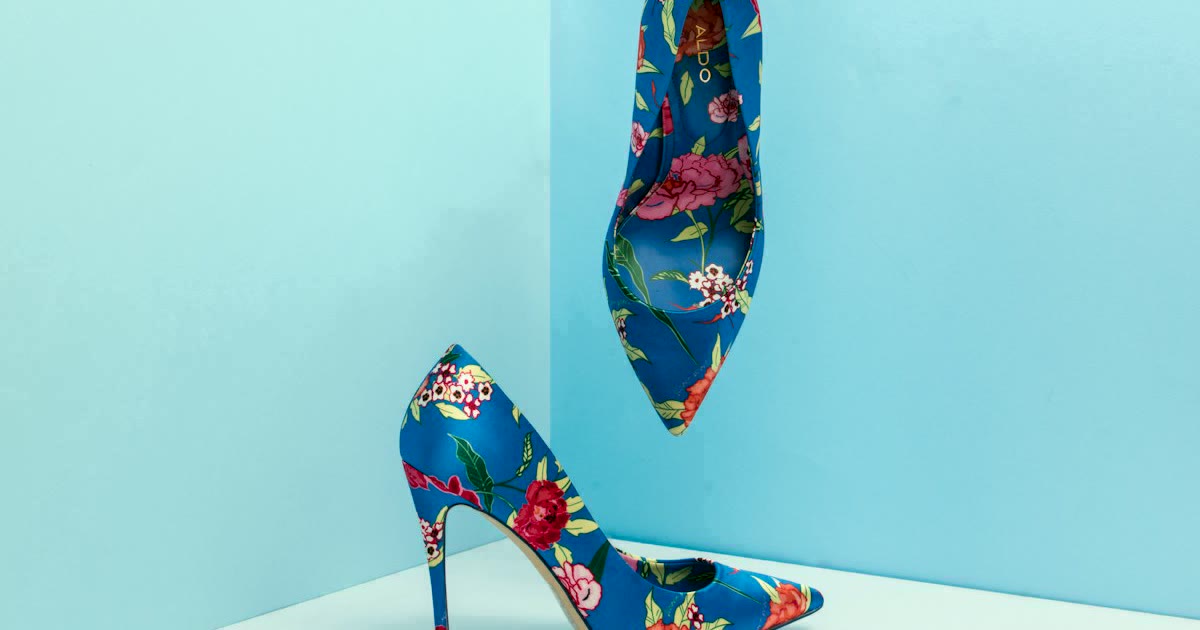
Comfort is a design choice
Summer shoes carry more responsibility than they appear to. They must handle heat, walking, travel, swelling feet and lighter fabrics, while still making outfits look finished. The right pair can make a linen dress, cropped trouser or white jean feel effortless. The wrong pair can turn a polished look into a painful day.
The goal is not to choose orthopedic-looking shoes. It is to understand support, material, strap placement and proportion so comfort and elegance can exist together.
Minimal sandals
A minimal sandal is the summer equivalent of a clean white shirt: simple, useful and easy to overuse. Look for secure straps, a footbed with some structure and leather or quality synthetic material that does not cut into the skin. Very thin soles may look chic in photos but can feel punishing on city pavement.
For the most range, choose black, tan, soft gold or cream. A barely-there sandal works for dinner; a slightly wider strap works better for day.
Flats and ballet shapes
Flats have returned because they solve a real problem: they look refined with dresses, trousers and jeans, and they travel better than heels. A modern flat should have a stronger sole than a slipper and enough structure to hold its shape. Pointed toes lengthen the leg, while almond and square toes feel contemporary without being severe.
If your feet need more support, look for cushioned insoles or removable footbeds. Beauty should not require a shoe you can only wear from the car to the table.
Mules and wedges
Mules are elegant but need stability. Choose a heel height you can walk in and a vamp deep enough to keep the shoe on the foot. Wedges can be excellent for summer events because they offer height with more surface area than a stiletto. Keep wedge materials clean: cork, raffia and leather can all work when the lines are refined.
Avoid heavy platforms with delicate dresses unless the contrast is intentional. Summer outfits usually look best when the shoe feels lighter than the clothes.
The three-pair summer plan
A practical summer shoe wardrobe can begin with three pairs: a walking sandal, a polished flat and an evening sandal or wedge. This covers errands, travel, work, dinner and warm-weather events. Add colour or texture only after those roles are covered.
If you want medical guidance on foot comfort, look for advice from podiatry or orthopaedic sources and treat fashion claims cautiously. Style should support your day, not interrupt it.
Fit problems to catch early
Try summer shoes later in the day when feet are slightly warmer or more expanded. A shoe that feels perfect first thing in the morning can feel tight after walking. Check the heel, toe box and strap pressure. If a sandal cuts across the widest part of the foot, it will usually become worse, not better. If a mule requires gripping with your toes, it may fatigue the foot quickly.
Elite Fashion may earn a commission from qualifying purchases made through shopping links on this page. Links are chosen for editorial fit and practical relevance to the article topic.
Shop the Warm-Weather Shoe Edit
Compare walkability, sole profile, strap placement, and how each pair works with lighter summer fabrics.
For travel, test shoes on a real walk before packing them. Walk on pavement, stairs and uneven ground if possible. A shoe that only works indoors is not a travel shoe, even if it photographs well. Add thin blister prevention patches to your travel kit and keep a second pair available for long days.
How shoes change proportions
Summer fabrics are lighter, so shoe weight becomes more visible. A heavy black sandal can ground wide trousers but overwhelm a pale dress. A nude or tan shoe lengthens the leg but may need texture to avoid looking flat. A pointed flat sharpens cropped trousers; a rounder ballet flat softens skirts and dresses.
When an outfit feels almost right, check the shoe before changing the clothes. Often the issue is not the dress, trouser or shirt. It is the visual weight at the bottom of the outfit. Shoes are small, but they decide the pace and mood of the look.
FAQ: polished comfort
Can comfortable shoes still look elegant?
Yes, when the design is clean. Look for refined materials, balanced toe shape, controlled sole thickness and straps that sit neatly on the foot. Comfort starts to look casual when shoes become bulky without intention or when technical details dominate the outfit. A supportive flat or sandal can still feel elegant if the lines are calm.
What is the best summer travel shoe?
The best travel shoe depends on the destination, but it usually has a cushioned sole, secure fit, breathable upper and enough polish for restaurants or museums. A leather sneaker, supportive sandal or structured flat can all work. The key is testing before travel and packing shoes that cover different levels of formality.
Spring/Summer 2026 styling note
Summer 2026 footwear is less about extreme heels and more about movement. Tailored shorts, soft trousers, cargo details and weekend travel outfits all need shoes that can actually walk. A refined flat, low wedge or secure sandal will usually serve the season better than a dramatic heel. The polished choice is the one that lets the day continue comfortably.
Final fit check
When replacing shoes, compare the new pair against the most useful pair you already own. If it is not more comfortable, more polished, more seasonal or more versatile, it may not deserve space. Summer wardrobes improve when shoes are chosen for repeated days, not isolated outfits.
Also test the pair with the actual hem lengths and bag weight you expect to wear. A sandal that feels balanced with linen trousers may look too slight with denim; a wedge that works with a dress may feel heavy beside a crossbody and sun hat. The final check is not only foot comfort. It is whether the whole outfit can move through heat, transit, patios and errands without asking for constant adjustment.
Small detail, big difference
For event shoes, stand for ten minutes before deciding. If pressure appears while standing still, walking will make it worse. Comfort testing is not unglamorous; it is what lets elegance last past the first hour.
Browse Category Hubs
Use these broader category hubs after the article-specific product options in Comfortable Summer Shoes: Minimal Sandals, Flats, Mules and Wedges. Narrow by room, material, size, care requirements, delivery options, and the storage space available at home.