Style and protection belong together
Sunglasses are one of the few accessories that change both how you look and how comfortable you feel outside. They frame the face, sharpen a simple outfit and protect your eyes from bright summer light. The best pair should flatter your features, suit your wardrobe colours and offer proper UV protection.
This is especially important for travel and outdoor dining, where sunglasses may stay on for hours. A beautiful frame that slides down the nose, pinches the temples or lacks protection is not a good investment.
Start with face shape, then personality
Round faces often look balanced with angular or softly rectangular frames. Square faces can be softened by round, oval or gently curved frames. Heart-shaped faces usually work well with lighter lower rims, aviators or cat-eye shapes that do not overwhelm the forehead. Oval faces have the most range but still need the right scale.
After shape, choose personality. A black acetate frame feels crisp and urban. Tortoiseshell is softer and works beautifully with warm neutrals. Thin metal frames feel lighter and more refined. Transparent frames can look modern, but they need enough structure to avoid disappearing on the face.
Lens colour and wardrobe colour
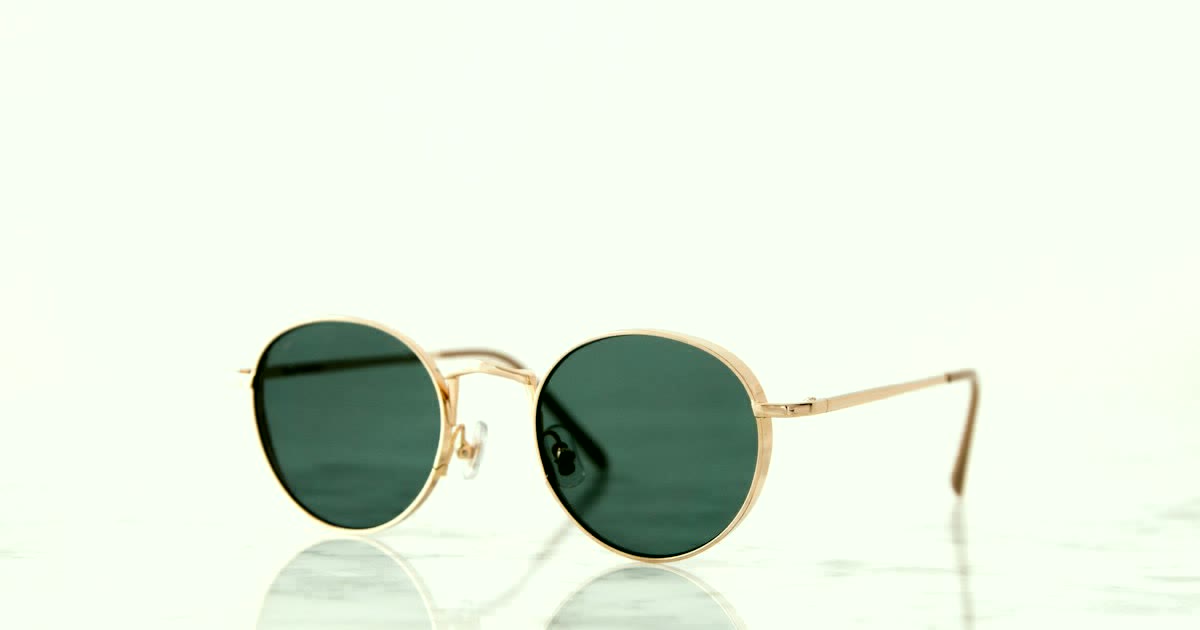
Grey lenses keep colours relatively true and work well for city wear. Brown lenses add warmth and pair nicely with camel, cream, denim and olive. Green lenses feel classic and are flattering with many skin tones. Rose or amber lenses can be beautiful but are more outfit-specific.
Use your existing wardrobe as the filter. If you wear mostly black, white, navy and silver jewellery, black or cool-toned frames will repeat naturally. If you wear linen, tan sandals, gold jewellery and straw bags, tortoiseshell or warm brown frames will feel more integrated.
Fit checks before buying
The frame should sit evenly without touching cheeks when you smile. Temples should rest comfortably without pressure. The bridge should feel stable, especially if you plan to wear sunscreen. If the pair constantly moves, it will become annoying no matter how good it looks.
For eye health guidance, choose lenses that block UVA and UVB rays and consult credible sources such as the American Academy of Ophthalmology when comparing protection claims.
One pair or a small collection
If you only own one pair, choose a frame that works with your dominant wardrobe palette and most common activities. If you want a small collection, build three roles: everyday city, sport or driving, and evening/resort. Each should have a distinct purpose so the collection does not become clutter.
Match sunglasses to lifestyle
Someone who drives often may need polarized lenses to reduce glare. Someone who spends summer in city restaurants may care more about frame shape and how the glasses look when pushed onto the head. A traveller may need a durable case and a pair that works with both activewear and dinner outfits. The right choice starts with the day you actually live.
Elite Fashion may earn a commission from qualifying purchases made through shopping links on this page. Links are chosen for editorial fit and practical relevance to the article topic.
Shop the Sunglasses Edit
Use these references to compare lens shape, frame weight, case size, and how the silhouette sits with jewelry or tailoring.
If you wear prescription lenses, consider whether prescription sunglasses or clip-on solutions make more sense than switching between multiple pairs. If you wear hats often, test sunglasses with your favourite brim; some frames sit awkwardly under structured hats or baseball caps.
Build a refined eyewear wardrobe
A strong two-pair wardrobe can cover most situations: one polished everyday frame and one lighter sport or travel frame. The everyday pair should suit your face, jewellery and bag hardware. The sport pair should stay secure, feel comfortable and protect well in bright conditions. If you add a third pair, make it expressive: a cat-eye, transparent frame or warmer lens for summer outfits.
Keep lenses clean with a proper cloth and store them in a case. Scratched lenses make even expensive frames look tired. Sunscreen, makeup and hair products can collect on the bridge and arms, so wipe frames regularly during warm months.
FAQ: sunglasses mistakes to avoid
Are designer sunglasses always better?
No. Designer frames may offer better materials, finishing and fit, but the label alone does not guarantee comfort or protection. Check lens quality, UV protection, hinge strength and how the frame sits on your actual face. A modestly priced frame that fits beautifully is better than a famous frame that slides or pinches.
Should sunglasses match jewellery?
They do not need to match exactly, but harmony helps. Gold jewellery often looks natural with tortoiseshell, brown, cream or warm transparent frames. Silver jewellery pairs easily with black, grey, clear and cool metal frames. If you mix metals often, choose frames with minimal hardware so they stay flexible.
Spring/Summer 2026 styling note
Eyewear in 2026 is moving between classic and smart. Even if you are not ready for smart glasses, the design lesson is useful: frames are becoming more visible as identity pieces. Choose one pair that feels signature rather than invisible. A refined frame can make a simple tank, shirt dress or linen suit look complete before any other accessory is added.
Final fit check
Finally, photograph the frames from the front and side in natural light. Mirrors can be flattering or misleading depending on distance. A quick photo shows whether the frame width, lens darkness and bridge shape support your face or distract from it.
Then test the frames with the pieces you actually repeat: a white shirt, black knit, linen dress, trench, cap, earrings and your most common bag. Sunglasses live at face level, so they should work with hair, jewellery and neckline rather than only with one outfit. If a pair feels good in three ordinary looks, it is more useful than a dramatic frame that only works on holiday.
Small detail, big difference
For long-term use, choose one frame case that you will actually carry. Sunglasses tossed into a bag scratch quickly, and scratched lenses make even a strong outfit feel less polished.
Browse Category Hubs
Use these broader category hubs after the article-specific product options in Sunglasses for Face Shape, Lifestyle and Wardrobe Colour. Narrow by room, material, size, care requirements, delivery options, and the storage space available at home.