The simple baseline
Major public health guidance is reassuring but careful: if you are generally healthy and your pregnancy is progressing normally, moderate activity is often encouraged. The American College of Obstetricians and Gynecologists and the CDC both point to at least 150 minutes of moderate-intensity aerobic activity per week for many healthy pregnant people.
The easiest intensity check is conversational: you should usually be able to talk while moving. If speaking becomes difficult, slow down, pause, hydrate and reassess. The goal is not a heroic workout; it is repeatable movement that supports comfort, circulation, strength and mood.
Exercises many expecting mothers can consider
| Movement | Why it works | How to modify |
|---|---|---|
| Brisk walking | Simple, low equipment, easy to scale by time and pace. | Use supportive shoes, choose even routes and break sessions into shorter walks. |
| Swimming or water exercise | Water supports changing body weight and can feel gentle on joints. | Keep effort moderate, avoid overheating and use safe pool entry points. |
| Stationary cycling | Offers aerobic work without the balance risk of outdoor cycling. | Raise handlebars, keep resistance comfortable and stop if pelvic pressure increases. |
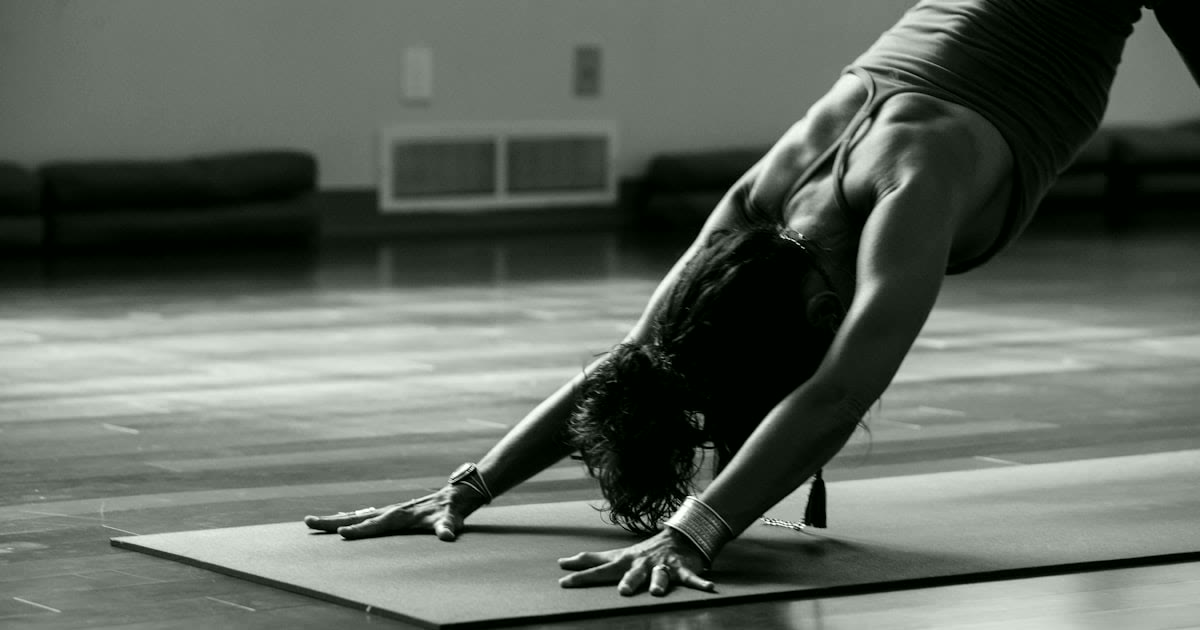
| Prenatal yoga or Pilates | Builds breath awareness, mobility and calm with guided modifications. | Choose prenatal-qualified instruction and avoid long flat-back holds. |
| Light strength training | Supports posture, everyday lifting and late-pregnancy comfort. | Use controlled reps, avoid breath-holding and prioritize form over load. |
| Pelvic floor and breathing work | Helps connect breath, core support and pelvic floor awareness. | Ask a pelvic health professional for guidance if you have pain, leaking or heaviness. |
Trimester-aware adjustments
First trimester: keep it steady
Fatigue and nausea can make consistency unpredictable. Keep sessions short and flexible: a 10-minute walk, gentle mobility, easy swimming or a prenatal yoga class may be enough. If you are starting from zero, gradually add time rather than intensity.
Second trimester: respect balance changes
As your center of gravity shifts, choose stable surfaces and supported positions. After about 16 weeks, the NHS advises avoiding long periods lying flat on your back. Swap flat-back core work for side-lying, seated, standing or incline variations.
Third trimester: shorten and support
Later pregnancy often rewards smaller, more frequent sessions. Walk in loops close to home, use water exercise for joint relief, and favor supported strength work: wall push-ups, sit-to-stand from a chair, gentle rows and mobility drills. More rest days are not a failure; they are useful information from your body.
A gentle sample week
Use this as a conversation starter with your clinician, not a prescription. Adjust for symptoms, trimester, previous activity level and any restrictions you have been given.
| Day | Plan | Feel check |
|---|---|---|
| Monday | 20 to 30 minutes walking | Can hold a conversation; no pelvic pressure or dizziness. |
| Tuesday | Light strength: sit-to-stand, wall push-ups, supported rows | No breath-holding; slow and controlled. |
| Wednesday | Rest, gentle mobility or a short walk | Choose the lowest-friction option. |
| Thursday | Swimming, water walking or stationary cycling | Keep effort moderate and hydrate. |
| Friday | Prenatal yoga or breathing and pelvic floor awareness | Avoid overheated rooms and long flat-back holds. |
| Weekend | One longer walk or two shorter walks, plus rest | Let sleep, soreness and energy guide the volume. |
What to avoid or pause
Avoid activities with a high risk of falling, abdominal impact, collision or overheating. Public guidance commonly flags contact sports, scuba diving, hot yoga or hot Pilates, downhill skiing, horseback riding, gymnastics and other higher-risk activities unless your clinician has specifically advised otherwise.
Stop exercising and contact your prenatal care team if you notice vaginal bleeding, fluid leaking, chest pain, dizziness or faintness, a severe headache, calf pain or swelling, regular painful contractions, unusual shortness of breath before activity, muscle weakness affecting balance, or abdominal pain.
Make it feel wearable, not clinical
Comfort matters. Choose a supportive sports bra, breathable layers, stable shoes for walking, and leggings or shorts that do not dig into the waist. For home sessions, keep a mat, water bottle and small towel visible so the practice is easy to start.
If your movement routine includes yoga or home fitness, pair this guide with our morning yoga routine, home fitness setup guide and mindful living notes. For food timing around movement, see our sports nutrition guide and adjust it with pregnancy-specific advice from your clinician or dietitian.
How to make the plan safer to repeat
Keep a small record of what you did, how long it lasted, and how you felt later that day. Patterns are more useful than one perfect session: if a walk consistently leaves you calmer and pain-free, it may be a good baseline; if a class repeatedly causes pelvic pressure, dizziness, or unusual fatigue, pause it and ask for guidance before trying again.
Build in transition time. Pregnancy movement often feels better when the warm-up is gentle and the exit is unhurried: a few minutes of easy walking, slow breathing, shoulder rolls, or supported mobility can help you notice whether your body is ready. Afterward, hydrate, cool down, and avoid treating soreness, swelling, or pain as something to push through.
For group classes or online videos, choose instructors who clearly offer prenatal modifications and encourage stopping when something feels wrong. Avoid any routine that pressures you to match a non-pregnant pace, hold your breath during strength work, stay in a hot room, or remain flat on your back for long stretches later in pregnancy.
When in doubt, choose the version that leaves room for conversation, rest, and a quick call to your care team if symptoms change.
The most sustainable recommendation
The best pregnancy workout is not the hardest one. It is the one that respects your changing body, fits your care plan, and leaves you feeling steadier afterward. Think in layers: daily walking when possible, one or two guided mobility sessions, light strength work you can control, and permission to reduce the plan when your body asks for it.